

Stop Applauding. Start Paying.
The Creator Economy Only Works If We Fund It


We say we value creativity.
We say art moves us.
We say writing changes lives.
We say music heals.
We say creators inspire us.
Then we ask for it for free.
There is a cultural contradiction at the heart of the modern creator economy. We will pay extraordinary salaries for work that exhausts people, drains them, and produces incremental efficiencies. But we hesitate to pay modest amounts for work that uplifts us, educates us, challenges us, and expands our thinking.
Something is backwards.
This space is built for people who care about the future—not just the shiny version, but the human one. If that sounds like you, consider upgrading to a paid subscription. You’ll be helping to keep independent thinking alive and unfiltered.
The Salary Paradox
We routinely compensate corporate roles at six- and seven-figure levels.
People managing complexity.
People optimizing systems.
People maintaining scale.
None of that is inherently wrong. But ask yourself: how often does that work elevate the human spirit?
Now compare that to artists, writers, musicians, independent podcasters, educators, and thinkers. The people who shape culture. The people whose words you remember years later. The people whose work got you through difficult times.
Most of them are underpaid.
Many are unpaid.
We consume their work daily. We rarely fund it directly.
Free Is Not Neutral
The internet trained us to expect content at zero cost.
Ad-supported models filled the gap. Platforms monetized attention instead of value. Creators were told that exposure was currency. That “building an audience” would eventually convert into something sustainable.
For a small minority, it did.
For most, it did not.
Free is not neutral. Free shifts power. It forces creators to compete on visibility rather than value. It pushes them toward algorithms instead of audiences. It incentivizes volume over depth.
If everything is free, the only thing that scales is distraction.
We Already Pay. Just Not Creators.
The irony is that we are not unwilling to spend money.
We pay for streaming bundles.
We pay for apps.
We pay for subscriptions that automate convenience.
We pay for status symbols.
We will pay for productivity tools that help us work longer hours. But we hesitate to pay for the writing that helps us think more clearly.
We are comfortable funding systems. We are less comfortable funding humans.
Cultural Value Is Set by Behavior, Not Words
When we say “I love your work” but do not subscribe, donate, or purchase, we send a signal.
We signal that appreciation is enough.
It isn’t.
If we want a thriving creator economy, appreciation must convert into patronage. The shift has to be cultural, not technological.
This is not about charity. It is about alignment. If someone’s work improves your life, a recurring payment is not a donation. It is participation.
Creators Must Stop Apologizing
There is another side to this problem.
Many creators are uncomfortable charging.
They undervalue their work.
They assume they are not ready.
They fear rejection.
They worry about appearing greedy.
So they give it away.
They build large audiences with no monetization. They hesitate to introduce paid tiers. They treat revenue as an afterthought rather than a foundation.
Then they burn out.
You cannot build a sustainable creative practice on applause alone.
Money Is Not Corruption
Some creators fear that charging will corrupt their work.
That monetization will distort authenticity.
But money is not the enemy of art. Dependency on algorithms is.
When your income depends on ads, you optimize for reach. When your income depends on audience support, you optimize for trust.
Direct funding creates alignment between creator and community. It removes the middle layer.
The fear of charging is often misplaced pride. Or low self-esteem disguised as purity.
The Sea Change We Need
We need a cultural shift in two directions simultaneously.
Consumers must normalize paying creators directly.
Creators must normalize charging confidently.
This is not about extracting more money from the same audience. It is about redistributing value.
Instead of overpaying for burdensome corporate work and underpaying for uplifting creative work, we should rebalance.
Not eliminate traditional careers. But elevate creative contribution to a legitimate, compensated profession.
Start Small, But Start
If you consume independent writing, subscribe to at least one paid newsletter.
If you listen to independent podcasts, join at least one membership tier.
If you follow artists online, purchase something from them.
Do not wait until they “make it.” They will not make it without support.
And if you are a creator, stop waiting until you feel worthy.
Create a paid tier.
Offer something deeper.
Test the market.
You do not need permission to value your work.
Culture Follows Incentives
When creators are paid directly, better work survives.
When creators are not paid, only the loudest survive.
If we want a culture rich in thought, nuance, and experimentation, we must fund it intentionally.
Otherwise, we will get what the algorithm optimizes for: endless noise, minimal depth.
The Future Is Direct
The most hopeful aspect of the creator economy is that direct support is technically possible.
Subscriptions are easy.
Payments are frictionless.
Global reach is real.
The infrastructure exists.
What is missing is cultural courage.
Uplift Has Value
If creative work uplifts you, support it.
If your creative work uplifts others, charge for it.
Stop applauding from the sidelines.
Stop hiding behind modesty.
We do not need more free content.
We need funded culture.
And that shift begins with individual decisions, made repeatedly, until the norm changes.
AI is cool, but what if you could actually use it as your life coach?
That’s what 10xYOU is all about—turning AI into extra income, more focus, and healthier habits. It’s like AI Daily’s practical twin—same curiosity, but built for action.
Check out our 10xYOU publications:
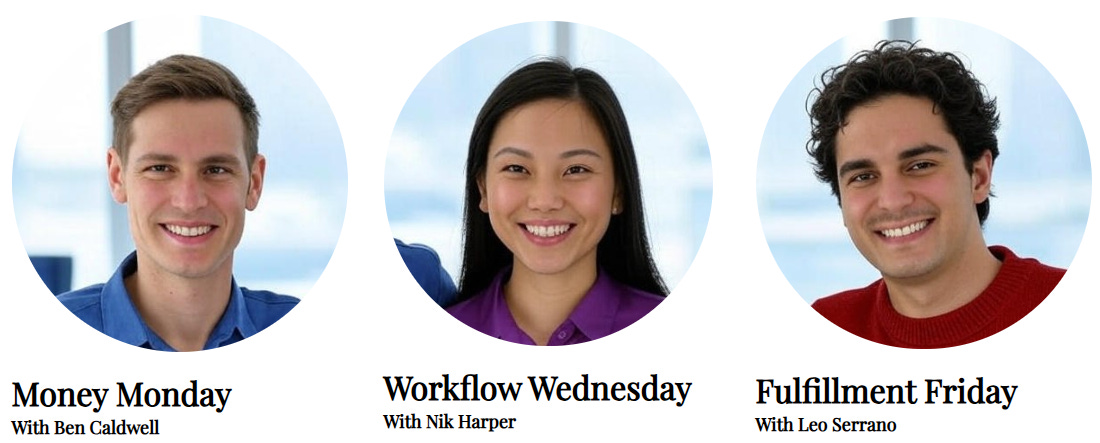
Money Monday with Ben Caldwell: Your AI Money Coach
Start your week with smart, stress-free money moves. Every Monday, Ben shares one actionable way to use AI to save, earn, or invest better. No fluff, no jargon—just practical steps you can use right away to make your money work harder for you.
Workflow Wednesday with Nik Harper: Your AI Productivity Coach
Every Wednesday, Nik shows you how to work smarter, not harder. From AI-powered tricks to practical workflow shifts, she’ll help you save time, cut stress, and actually enjoy your week. Quick reads, easy experiments, real results.
Fulfilment Friday with Leo Serrano: Your AI Wellness Coach
Fridays aren’t just the end of the week—they’re a reset. In Fulfillment Friday, Leo blends espresso-fueled storytelling, Nonna’s wisdom, and AI guidance to help you recharge and find balance. Each issue delivers a personal story, practical wellness strategies, and one simple “Friday Reset” challenge you can actually use before Monday.
I am one of those that feel uncomfortable.
The interesting part of this is it applies to more than just the content creator industry. In the construction industry you see the same thing, contractors not willing to require a downpayment and many consumers thinking that the contractor should flip the bill for everything, until the work is completed or a a portion of it is completed. Then both parties wonder why the project fails or expectations aren't meet.
We live in a world where everything in upside down. Where trust has to be yarned instead of given. But how can you yarn trust if there is none there to begin with? Where content has to be free, but then consumers wonder why someone quits creating content when they can't pay the bills.
Many content creators have a Buy Me A Coffee or tip Jar, where you don't have to commit to a monthly subscription or a minimum. No, you didn't have to give to every creator or be a paid subscriber, specially if you are struggling yourself and there is going to be winners & losers that's the nature of the beast.